


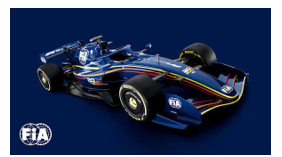




















The 2026 season of Formula 1 is bringing some of the biggest changes the sport has ever seen. These new rules are changing how the cars work, how drivers race, and even how teams plan their strategies. The main goal of these changes is to make Formula 1 more exciting, more fair, and better for the environment. Even though some people are excited about these updates, others are not sure if they will actually make racing better.
One of the biggest changes in 2026 is the new engine system, also called the power unit. In the past, Formula 1 cars mostly depended on a gas-powered engine, but now things are changing a lot. The new engines use a 50/50 split between electric power and the regular combustion engine. This means that electric energy is now just as important as fuel. Another big change is that the MGU-H system has been removed. Instead, the MGU-K is much stronger and produces way more electrical power than before. On top of that, all cars now use 100% sustainable fuel, which helps reduce pollution and makes the sport more environmentally friendly. Because of these engine changes, drivers now have to think more about energy management during a race. There are different modes like Recharge, Boost, and Overtake Mode. Recharge helps the car gain energy back, while Boost and Overtake Mode give drivers extra power for short periods of time. This adds more strategy to racing because drivers have to decide when to save energy and when to use it. However, some drivers don’t like this because they feel like it takes away from pure racing and makes it more complicated.
Another major change in 2026 is the aerodynamics of the cars. In previous years, Formula 1 used something called DRS to help with overtaking. But now, DRS is gone and replaced with active aerodynamics. This means parts of the car, like the front and rear wings, can move and adjust depending on the situation. For example, the car can switch to a low-drag mode on straightaways to go faster, or a high-downforce mode in corners to have better grip. This is supposed to make overtaking easier and racing more competitive.
The cars themselves are also being redesigned. In 2026, Formula 1 cars are smaller, lighter, and more agile. They weigh less than before and are not as wide or long. This should make them easier to drive and better for close racing. However, the cars also have less downforce and drag, which changes how they feel on the track. They might be faster on straightaways but not as fast in corners compared to older cars.
Safety is always important in Formula 1, and the 2026 rules include some improvements in this area too. The cars now have stronger crash structures, including a better nose design and stronger side protection. There are also new lighting systems that make it easier for drivers to see each other in bad weather, like rain. These updates are meant to keep drivers safe without slowing the cars down too much.
There are also some changes to the financial side of Formula 1. Teams are allowed to spend a little more money than before because the cost cap has been increased. This gives teams more freedom to develop their cars and improve performance. At the same time, there are still limits in place so that richer teams do not have too much of an advantage over smaller teams. This helps keep the competition more fair. Even though these changes are meant to improve the sport, not everyone agrees with them. Some drivers think the new rules make racing less exciting. They say that having to manage energy so much means they have to slow down and save power instead of pushing the car to the limit. Others feel like the new system is too complicated and takes away from the natural feeling of racing. On the other hand, some fans and experts believe these changes will make races more unpredictable and fun to watch.
In the end, the 2026 Formula 1 regulations are a huge step into the future of racing. With more electric power, new technology, and a focus on sustainability, Formula 1 is trying to adapt to modern times. It might take a while for teams and drivers to get used to everything, but these changes could shape the sport for many years. Whether people like it or not, the 2026 season is starting a brand new era in Formula 1.