










The COVID-19 Pandemic was deadly and awful. 704 million people reportedly contracted the virus, and over 7.1 million died from the disease. Loved ones were lost, hospitalized, quarantined, and left unemployed. School and work environments shut down, which led to remote learning and working. As bad as the situation was, society has noticed some positive benefits from the pandemic.
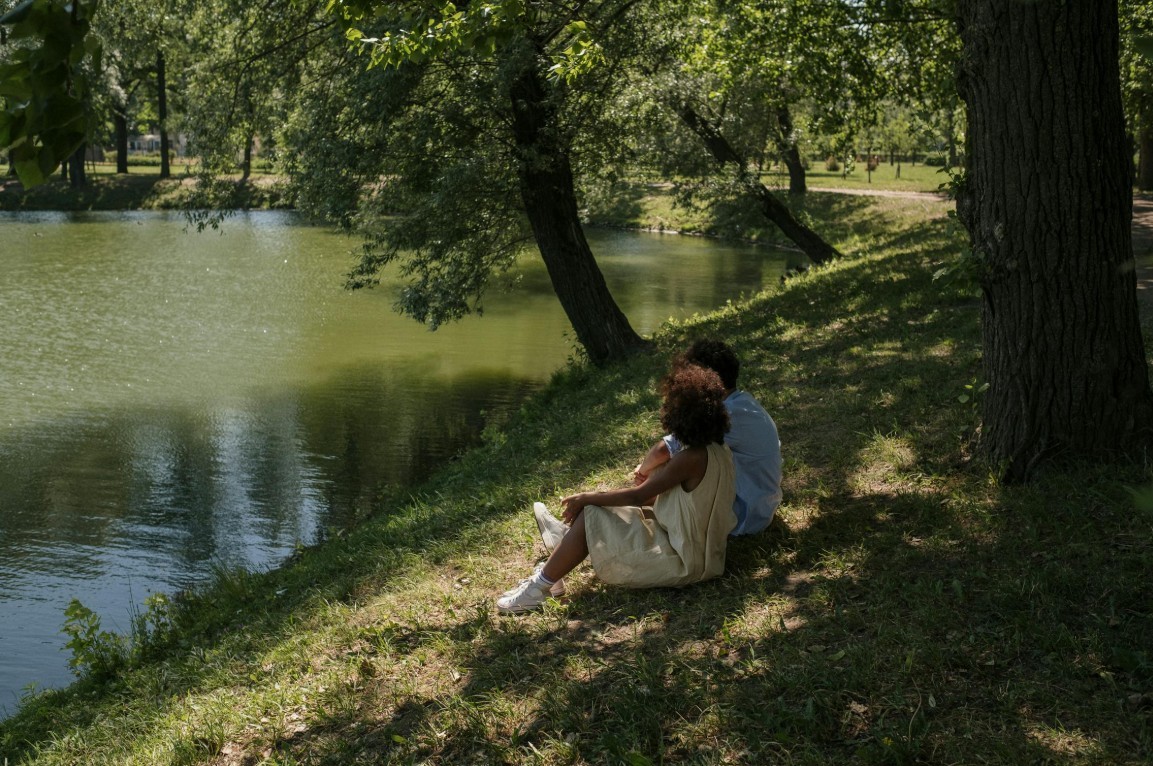
The social deprivation the globe experienced allowed many to realize how important human relationships and connections really are. While everyone was stuck at home, lifestyles slowed down and families spent more time with each other. Parents and siblings ate more meals together and engaged in various activities together. Creativity was built as more arts and crafts were made in the extra free time, and families spent more time outside engaging in outdoor activities like hiking, biking, gardening, sidewalk chalking, and more! While families grew closer, neighbors also developed deeper relationships with each other. Neighbors often came together and hosted movies and other socially distanced gatherings in driveways or backyards to connect with each other. They’d also run errands for each other, which included grocery shopping, prescription pick-ups for senior citizens, as well as child and pet care for working parents and owners.
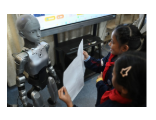
Remote learning was an inevitable factor in the world of education during the pandemic. Teachers taught their students online, through platforms like Zoom, Microsoft Teams, Google Classroom, and more. While online learning was difficult in the fact that teachers and students lost their in-person social connection with each other, it led to easier technology for those who prefer more personalized learning. Online learning programs were created to create a quicker and more affordable learning environment for those who prefer to learn in a virtual environment that adapts to their needs. Since 2020, elementaries, middle schools, high schools, colleges, and universities started to provide students with personal tablets and laptops designed to enhance their experience in school.
The SARS-coV-2 virus improved the world of vaccine development. Those involved in the research and creation process of the Covid vaccine inserted mRNA technology into their vaccine. Standing for Messenger Ribonucleic Acid, mRNA is structured to attach to a protein outside the viral membrane. The proteins then multiply, which protect the body from the viral infection and induce immunity from the germ. Scientists have learned that developing a vaccine with mRNA is significantly quicker than creating a vaccine without it. This biological component will speed up vaccine production in the future!
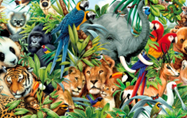
Furthermore, the Covid Pandemic even benefited wildlife! Because humans weren’t as out and about due to restrictions, more animal sightings and migration occurred, poaching decreased, and roadkill was prevented. In Japan, dears were spotted at subway stations and wild boars roamed in the cities of Haifa, Israel and Barcelona, Spain. Thailand saw its largest amount of leatherback turtle nests in 20 years, and over 150,00 flamingos migrated to Mumbai’s lagoons in India. Because of the ban on international travel, poachers had a harder time transporting illegally obtained animal horns. National Parks shut down, and poachers lost opportunities to snatch animals around the globe. In 2020, illegal rhino poaching in South Africa decreased by over 50%! With less drivers on the road, animals were left in a safer environment without the risky dangers of getting hit by a car on the street. Data taken from Maine, Idaho, and California showed that the fatality rate of animal-vehicle collisions in those states declined from approximately 21%-56%. Mountain Lions in Southern California particularly experienced a higher survival rate when traffic levels in the state were reduced by 75%.
In conclusion, the COVID-19 Pandemic did bring positive benefits despite the misery it brought. Families, friends, and neighbors formed deeper relationships and were there for each other when they needed it most. They spent more time outdoors and engaged in new activities they otherwise wouldn’t have participated in. Remote learning was a new reality due to the closing of schools, but it transformed online and personalized education. Those who prefer to customize their education can now learn at a pace adapted to their needs with the help of digital technology. Schools started to provide their students with devices that enhanced their course learning. The mRNA used in the SARS-coV-2 vaccine improved the development of immunizations due to scientific discoveries regarding the protecting proteins. The state of wildlife improved due to the lack of public human activity. Animal sightings and migration increased; illegal poaching declined, and animals experienced higher survival rates with reduced roadkill.
Sources
https://www.worldometers.info/coronavirus/coronavirus-death-toll/
https://www.worldometers.info/coronavirus/
https://medlineplus.gov/genetics/understanding/therapy/mrnavaccines/
https://www.myenergi.com/news/coronavirus-covids-impact-on-wildlife/
https://www.cbsnews.com/news/flamingos-mumbai-india-coronavirus-lockdown/
https://earth.org/rhino-poaching-covid-19/
https://www.ucdavis.edu/climate/news/roadkill-declines-as-covid-19-continues