













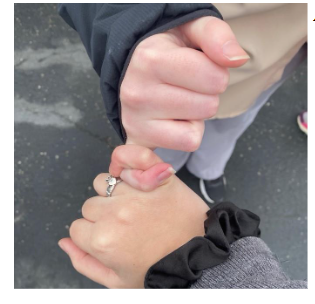





Lately, it feels like everywhere you look, teens are talking about being “locked in.” Whether it’s
in school, sports, the gym, or even just life in general, people are constantly saying they’re
locked in or trying to be. But what does that even mean, and why has it become such a big thing
for teenagers right now?
Being “locked in” usually means you’re super focused and committed to something. It’s like
you’ve shut out distractions and you’re giving all your attention to a goal. For example, someone
might say they’re locked in for a big test, a football game, or trying to improve themselves. On
the surface, it sounds like a good thing, because focus and discipline are important. But the
reason teens are so obsessed with it goes deeper than just wanting to succeed. One big reason is
social media. Platforms like TikTok and Instagram are full of videos of people showing their
routines, workouts, study habits, and “glow-ups.” These videos make it seem like everyone else
is constantly improving and grinding. When teens see that over and over again, it creates
pressure to do the same. Nobody wants to feel like they’re falling behind, so they start saying
they’re locked in too, even if they’re still figuring things out.
Another reason is competition. High school can be really competitive, whether it’s grades,
sports, or even popularity. Teens feel like they always have to prove themselves. Being “locked
in” becomes a way to show that you’re serious and that you care about your future. It’s almost
like a mindset that says, “I’m not messing around anymore.” Even if someone doesn’t say it out
loud, they might feel like they need to adopt that attitude to keep up with others. There’s also the
fact that being locked in gives people a sense of control. Teenagers deal with a lot of stress, like
school, relationships, family expectations, and thinking about the future. Sometimes it can feel
overwhelming. Focusing on one goal and saying you’re locked in can make things feel simpler.
Instead of worrying about everything at once, you just focus on what’s right in front of you. That
can be really comforting.
At the same time, being locked in can also be a way to escape emotions. Instead of dealing with
problems or feelings, some teens throw themselves into work, sports, or the gym. It’s like if you
stay busy enough, you don’t have to think about what’s bothering you. This isn’t always a bad
thing, but it can become unhealthy if someone is ignoring important emotions or burning
themselves out.
Another interesting part of this trend is how it connects to identity. Teenagers are still figuring
out who they are and what they want to be. Saying you’re locked in can feel like you’ve chosen a
path, even if it’s temporary. It gives you something to hold onto. For example, someone might
decide they’re locked in on becoming a better athlete or getting straight A’s. That goal becomes
part of how they see themselves. There’s also a kind of “aesthetic” around being locked in.
People post videos of early mornings, workouts, studying late at night, and listening to music
while focusing. It almost turns hard work into a trend. While that can be motivating, it can also
make things unrealistic. Not everyone can or should be grinding 24/7. Real life includes breaks,
mistakes, and days where you’re not at your best.
Peer influence plays a role too. When your friends are all talking about being locked in, it’s easy
to join in. It becomes part of the way people talk and connect. Even if someone doesn’t fully
understand it, they might use the phrase just because everyone else is. Over time, it spreads and
becomes a normal part of teen culture. Even though there are some downsides, the idea of being
locked in isn’t all bad. It can help teens build discipline, improve their habits, and reach their
goals. Learning how to focus and stay committed is an important skill that can help later in life.
The key is balance. Being locked in doesn’t mean you have to be perfect or never take a break.
It’s also important to remember that everyone’s version of being locked in looks different. For
one person, it might mean studying more. For another, it could mean working on their mental
health or improving relationships. It doesn’t always have to be about school or achievements.
In the end, teens are obsessed with being locked in because it gives them a sense of purpose,
control, and identity in a time of life that can feel confusing. Social media, competition, and peer
influence all make it more popular, but the core idea comes from wanting to improve and feel
like you’re moving forward. As long as teens don’t take it too far or lose themselves in the
process, being locked in can actually be a positive thing.
Categories:
“Locking In”
March 26, 2026
More to Discover






About the Contributor

Cole Murphy, Journalist
My Name is Cole Murphy, and I am a Sophomore at Davis High
School. I have a huge passion for sports, especially football and
racing. I love the Utah Utes and Oklahoma sooners for college
football. Outside of sports I love politics and watching the news, I
always want to know what is going on in the world and in our great
country. My friends and family see me as a funny person who is
sometimes out of pocket. In my free time I love to hangout with
friends outside or on Xbox, I also love to watch football with my dad.
When I’m older I want to go to college and study Political Science or
continue journalism in to hope to become a sports broadcaster.